
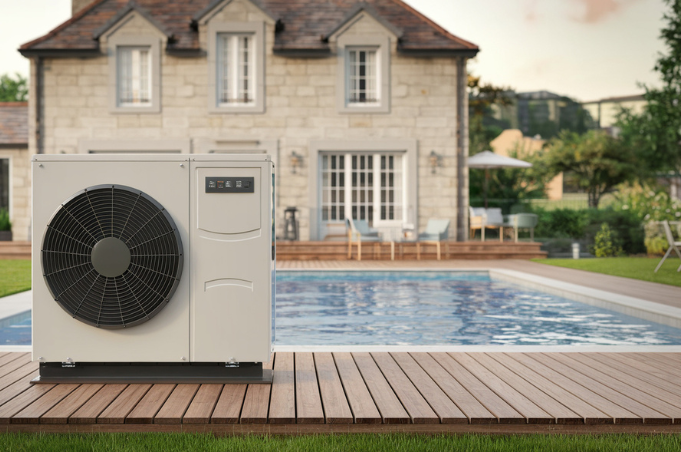
When choosing a pool heating system, especially a heat pump, there are several key factors to consider. A well-chosen pool heater allows you to enjoy your pool year-round, even as temperatures cool, and offers efficient, long-term heating. Here are the top things to consider when selecting the ideal heat pump for your pool:
What Is a Pool Heat Pump?
A pool heat pump uses ambient air, heats it, and transfers that warmth into the pool water. This energy-efficient method makes a heat pump an ideal choice for keeping your pool comfortable, especially when paired with solar pool heating for added sustainability. Let’s explore the main factors that can help you choose the right pool heating system.
Set Budget For Your Pool Heat Pump
Pool heat pump costs vary depending on brand, capacity, and extra features, so establishing a budget will help you focus on suitable options. While a heat pump might have a higher upfront cost, it’s one of the most efficient options over the long term, especially when combined with a solar pool heating system to reduce electricity usage. Balancing the initial cost with long-term savings is key.
Prioritise Energy Efficiency
Energy efficiency is a crucial factor to ensure your pool heating system is cost-effective and eco-friendly. Look at the Coefficient of Performance (COP) rating, which reflects the pump’s efficiency. The higher the COP, the more efficient the system. Additionally, choosing models with energy-saving technologies, like variable-speed fans or built-in solar options, can reduce energy costs.
Pool Heat Pump Sizing
For efficient heating, selecting the correct size of heat pump for your pool is essential. A pump that’s too small may struggle to heat the pool, while a bigger one can lead to inefficiencies. The pool size, volume, and average temperature affect the size of the heat pump needed. Professionals in pool heating services can provide guidance on the best size and capacity based on your pool’s specifications.
Decide Between an Electric or Gas Pool Heater
Electric and gas options are the two main types of pool heating systems. Electric pool heat pumps are energy-efficient and environmentally friendly, especially when paired with solar pool heating to reduce electricity dependency. These are effective for steady, ongoing heating and are ideal in warmer climates. We cover this in more depth in Why Do Some Heat Pumps Use Less Energy Than Others.
Gas heaters are often chosen for rapid heating and intermittent use, which can be beneficial in colder regions. However, gas pool heating can be costly to operate. Choose a pool heating system based on your climate, cost considerations, and how often you’ll be using it.
Choose the Right Compressor Type
The compressor type in your pool heat pump impacts both efficiency and noise level. Many models use scroll compressors, which are quiet, durable, and efficient, making them a preferred choice for residential pools. Scroll compressors provide a smooth and continuous heating process, contributing to reduced vibration and noise, which is beneficial in residential settings.
Installation and Maintenance
Correct installation and regular maintenance are vital for the longevity and efficiency of any pool heating system. Properly maintained, a heat pump can last for 10–15 years without significant performance loss. Solar pool heating requires minimal maintenance, while gas and electric heat pumps might need more frequent upkeep. Regularly clean filters and inspect the unit to keep the system running smoothly, and consider professional pool heating services for maintenance and troubleshooting as needed.
Consider Extra Features and Warranties
Look for features that enhance convenience and durability, like digital thermostats, weatherproof construction, or even Wi-Fi control. With smart controls, you can monitor and adjust your pool heating system remotely. Be sure to check warranty coverage, as reputable brands typically offer warranties of several years, which can provide peace of mind and potential savings on repairs.
Think About Climate and Solar Pool Heating
Your local climate greatly impacts your heating needs. If you live in a region with ample sunlight, a solar pool heating system can be a cost-effective addition or alternative to traditional pool heat pumps. Solar pool heating uses solar panels to absorb and transfer heat, making it an eco-friendly solution with minimal operating costs. For cooler climates, however, an electric or gas-powered pool heating system might be more reliable for maintaining consistent warmth.
Choosing Your Ideal Pool Heating System
Selecting the right heat pump or pool heating system can elevate your pool experience, letting you enjoy warm, comfortable water year-round. Consider factors like budget, size, efficiency, and climate when making your decision. Consulting a professional pool heating service is always a good idea if you need guidance.
Whether you choose an electric, gas, or solar pool heating solution, a carefully selected and well-maintained system will make a lasting impact on your swimming experience and extend your pool season.