
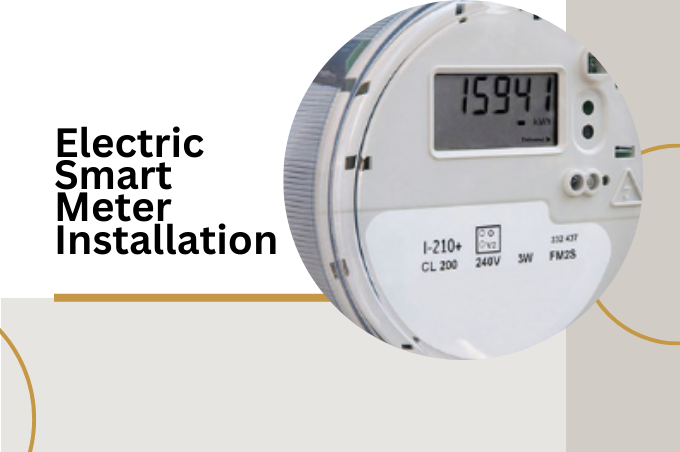
With smart meters transforming energy management across Australia, homeowners now have real-time insights into their electricity usage, helping them reduce costs and energy waste. Here’s an overview of the smart meter installationprocess and how to prepare for a successful transition.
1. Determine the Need for a Smart Meter
Smart meters are designed to give homeowners greater control over their energy consumption. Why should you consider upgrading to a smart meter, and what should you know before scheduling an installation?
Why Install a Smart Meter?
Smart meters provide real-time data on electricity usage, allowing you to make informed choices to reduce consumption. These devices record your usage every 30 minutes, making it easy to identify patterns and manage peak electricity times, potentially lowering energy bills.
Consultation with Your Energy Provider:z
Contact your electricity retailer to discuss whether your current setup can be upgraded to a smart meter. The retailer may assign a metering coordinator to inspect your existing meter and determine if it is suitable for a smart meter upgrade. This initial consultation is essential if you rely on life support equipment, as it ensures a seamless and safe transition to a new meter.
2. Scheduling Your Smart Meter Installation
Arranging a convenient time for your electric smart meter installation with your energy provider is vital for a smooth transition. Here’s what to keep in mind:
Coordination with Your Provider:
Connect with your energy provider to book an installation appointment. If you’re upgrading from an analogue meter, the metering coordinator will handle the installation and ensure compliance with local regulations.
Preparing for Installation Day:
Ensure the area around your meter box is cleared, as the technician will need easy access to your meter. Be prepared for a brief power outage, as the installation requires a temporary power shutdown. It’s also wise to notify tenants about the installation in advance.
3. What to Expect on Installation Day?
Knowing what to expect from your smart meter installation will help make the process easier.
Technician Arrival and Verification:
When the technician arrives, they will verify their work order and review the installation location. It is vital to check their identification to confirm they are authorised by your energy provider to carry out the installation.
Power Shutoff and Meter Replacement:
To install the new meter safely, the technician will briefly turn off your power, typically for about 30 to 60 minutes. During this time, they will remove your old meter and connect the smart meter to your electrical system, ensuring it integrates with existing circuits and is prepared to transmit usage data to your energy provider.
Testing and Calibration:
Once installed, the technician will conduct tests to ensure the smart meter works correctly and provides accurate readings. Calibration is done to confirm precise data collection, and once complete, the power is restored. The technician will also provide instructions on how to access your energy data.
4. After Installation – Getting Started with Your Smart Meter
Once the installation is complete, here are a few things to do to start benefiting from your new smart meter.
Power Restoration and Calibration Confirmation:
After the technician restores your power, they’ll verify that your smart meter is calibrated and fully operational. This setup ensures accurate data transmission to your provider so you can track your electricity usage effectively.
Accessing and Monitoring Usage Data:
Your smart meter immediately begins collecting data, usually accessible via your provider’s online portal or app. It allows you to monitor your electricity usage in near real-time, identify peak consumption hours, and make required adjustments.
Troubleshooting and Support:
If you experience any issues post-installation, such as incorrect readings, contact your energy provider for assistance. Most providers offer dedicated support for troubleshooting problems and may even provide follow-up visits if required.
5. Making the Most of Your Smart Meter Data
Your smart meter data is a valuable resource that helps manage energy use more effectively. Here’s how you can leverage this information to save on electricity costs.
Reviewing Usage Patterns:
Smart meter data allows you to view patterns in your electricity consumption, especially peak hours when usage is highest. Understanding these patterns helps identify opportunities to shift energy use to off-peak times when electricity rates may be lower.
Implementing Energy-Saving Strategies:
Use the insights from your smart meter to reduce overall energy consumption. For instance, run large appliances like washing machines or dishwashers during off-peak hours if possible. Turning off lights in unused rooms and investing in energy-efficient appliances can also contribute to long-term savings.
Wrapping It Up
Smart meter installation is a straightforward process that offers many benefits, from improved control over energy consumption to potential cost savings. By working with your energy provider, following these preparation steps, and leveraging your energy data, you can make informed choices that lead to a more efficient and sustainable home.
If you’re considering a smart meter, contact a trusted provider to explore energy metering services and start the journey toward smart energy management.
if you want to know about Crucial Electrical then please visit our Business Category.