
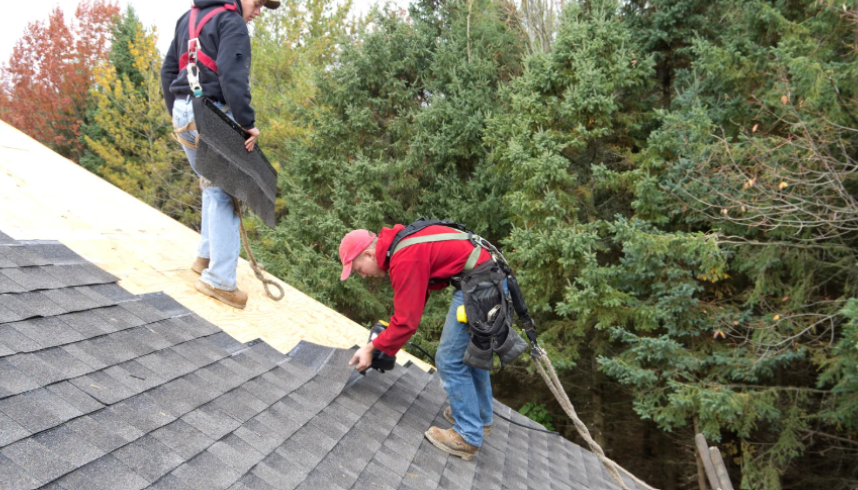
Roofing is not a one-size-fits-all service. Regional climate, code compliance, and local permitting all play a major role in determining how a roof performs and how long it lasts. Hiring professionals who are not just skilled but also well-versed in the area’s environmental demands and legal standards is critical for ensuring long-term roof durability. Homeowners working with roofers in Sandy Springs benefit from contractors who understand the nuances of Georgia’s weather patterns and municipal requirements.
Choosing a roofer familiar with your local market doesn’t just reduce risk; it leads to smarter planning, better materials selection, and fewer surprises during installation.
The Impact of Local Climate on Roofing Systems
Weather conditions vary significantly from region to region, and so should your roofing strategy. In Sandy Springs, for example, roofs must withstand high humidity, heavy summer storms, and occasional ice events during winter. Contractors who regularly work in this environment know which materials hold up best and which ventilation setups prevent moisture retention, mold growth, or thermal inefficiency.
They’ll also account for slope, drainage, and flashing details based on common rainfall patterns, ensuring the roof is built not just to code, but for peak performance in your specific microclimate. Generalized approaches from out-of-area contractors often overlook these factors, leading to premature wear or structural compromise.
Code Compliance and Permitting Expertise
Local regulations play a vital role in roof replacement or repair, especially in jurisdictions with strict building codes. A roofer who operates regularly in your area understands what inspections are required, how permits are processed, and what paperwork must be submitted to avoid delays. Working with someone unfamiliar with local standards risks compliance issues that can lead to failed inspections, project slowdowns, or fines.
More importantly, licensed professionals in your region understand the evolving codes that reflect newer safety and energy efficiency mandates. That insight ensures your roof isn’t just legal, it’s optimized for longevity and future resale.
Understanding whether roofers have to be licensed in your state becomes crucial here. While requirements vary, working with a properly licensed local professional gives you assurance that the contractor has passed the necessary qualifications and is held to enforceable standards of accountability.
Faster Response Times and Ongoing Support
Contractors with a strong local presence can respond more quickly to emergencies, warranty issues, or seasonal maintenance needs.
When unexpected weather damage occurs or leaks surface months after installation, having a roofer based nearby offers a clear advantage. Local professionals are also more invested in their reputation within the community and are more likely to offer responsive service long after the job is complete.
They’re familiar with neighborhood-specific HOA requirements and local supplier networks, which helps streamline material acquisition and coordination, often reducing downtime during both planning and execution phases.
Conclusion
Choosing a roofer who understands your local climate and regulations is more than a matter of convenience; it’s a safeguard against missteps, inefficiencies, and substandard work. These professionals bring climate-specific expertise, code familiarity, and logistical advantages that lead to smoother installations and stronger long-term results. In roofing, regional knowledge isn’t optional; it’s essential for ensuring your property remains protected, compliant, and built to last in the environment it lives in.