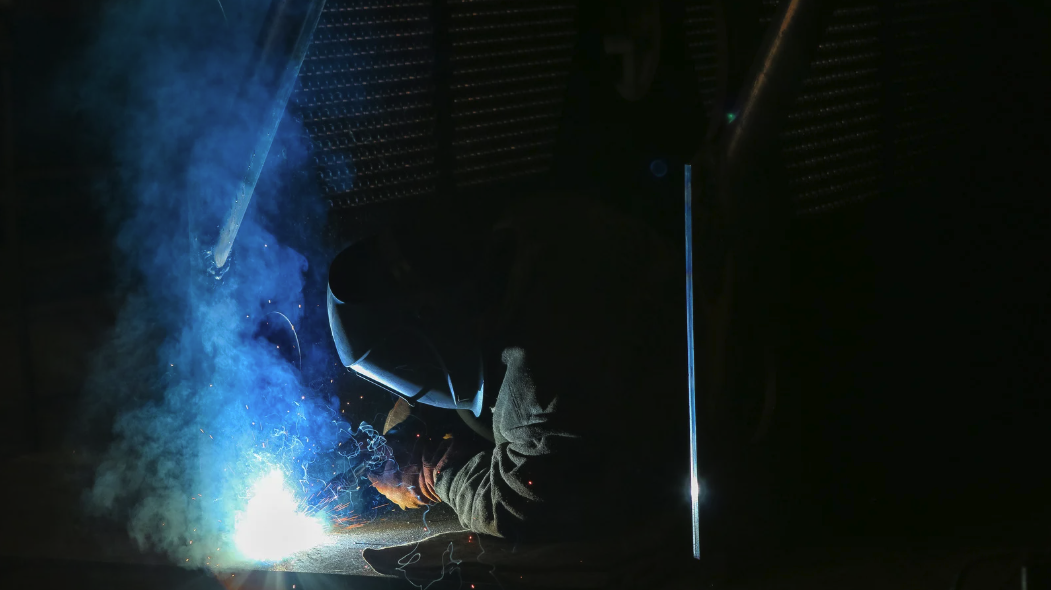
Keeping a fume extractor for welding in optimal condition is essential for ensuring reliable performance and a consistently safe workspace. Welding environments produce airborne particles that can strain the system over time if not maintained properly. Regular attention prevents unexpected breakdowns, reduces operational interruptions, and supports long-lasting efficiency. When professionals rely on their equipment daily, investing time in proper maintenance becomes an important part of overall workplace productivity. Understanding how to care for the system helps maintain strong airflow, dependable filtration, and cleaner air throughout the facility.
Understanding the Role of Proper Maintenance
A fume extractor is built to handle demanding conditions, but even durable systems require upkeep to stay effective. Dust, debris, and fine particles accumulate within filters and internal components, limiting the extractor’s ability to capture contaminants efficiently. Without timely care, this buildup can force the machine to work harder, increasing wear on the motor and decreasing extraction performance.
Knowing how the system functions allows professionals to recognize early signs of strain. Unusual sounds, reduced airflow, or lingering fumes are indicators that the equipment needs attention. By identifying these issues early, facilities can prevent disruptions and maintain a stable working environment.
Monitoring Airflow and Filtration Efficiency
Airflow is one of the strongest indicators of extractor health. When airflow weakens, contaminants may remain suspended in the workspace longer than intended. Keeping track of how the system performs day to day helps spot subtle changes before they become operational challenges. Clean, effective filters ensure steady airflow and consistent capture of welding fumes.
Routine Cleaning for Better Performance
Routine cleaning is essential to keep the extractor functioning at its best. Over time, welding particles settle inside the ducts, filter housing, and collection areas. These deposits restrict airflow and strain internal components, making the extractor work harder than necessary. A controlled cleaning schedule keeps the system clear, reduces mechanical stress, and maintains strong extraction effectiveness.
Many professionals schedule regular inspections to ensure that every part of the extractor remains clean and unobstructed. This includes examining hoses, filter compartments, and fan units. Maintaining these areas supports both the longevity and the operational reliability of the system.
Filter Attention and Regular Replacement
Filters are the core of any extraction unit. They trap contaminants and require periodic replacement depending on usage levels. A fresh filter reduces motor workload, enhances airflow, and protects the internal structure of the extractor. Replacing filters on time also prevents contaminants from recirculating back into the workspace.
Evaluating System Components and Performance
In addition to cleaning and replacing filters, assessing the overall condition of the system ensures long-term performance. Professionals often check seals, fittings, and moving parts to confirm everything remains tight and functional. This type of evaluation prevents minor issues from escalating.
It is also useful for teams to focus on choosing the right welding fume extractor when considering upgrades or replacements. Understanding the features that support durability and performance helps ensure that the system continues to meet the demands of ongoing welding operations.
Conclusion
Maintaining a fume extraction system is essential for ensuring long-term performance and a clean working environment. Proper upkeep supports consistent airflow, reduces strain on the equipment, and helps professionals work comfortably and efficiently. With responsible care and routine evaluations, the system remains dependable, productive, and capable of meeting the needs of any welding setting.
A well-maintained extractor also minimizes unexpected downtime, allowing teams to focus fully on their work without disruption. This level of reliability contributes to smoother operations, improved safety conditions, and a more professional welding environment overall.