
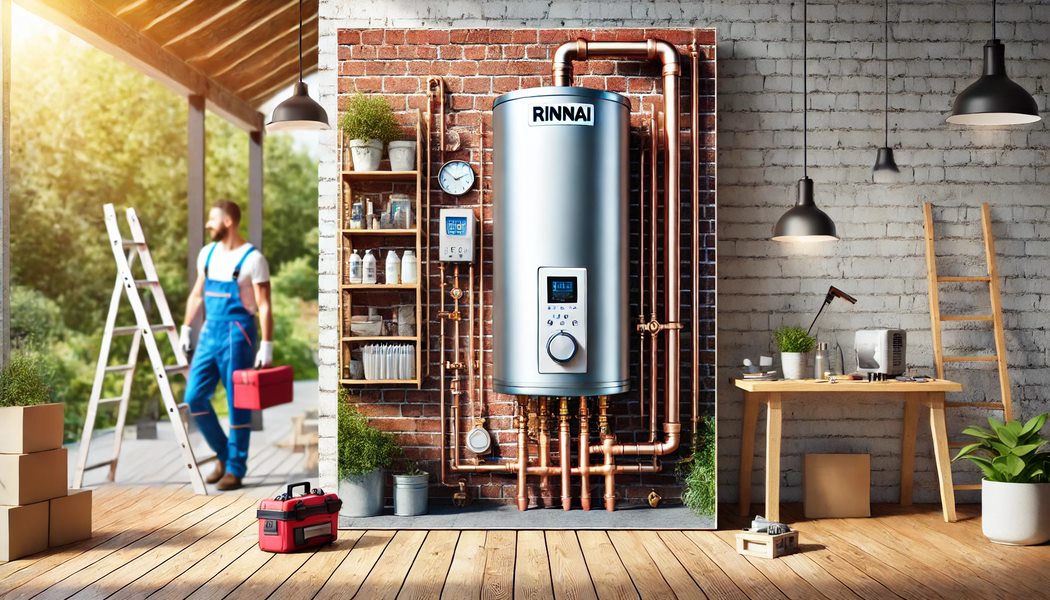
A hot water system is a valuable investment for enhancing your home’s conveniences, and it demands an upgrade when it gets exhausted after serving its lifespan. However, to fully benefit from your upgraded system, ongoing maintenance is paramount. Regular upkeep helps your system deliver consistent hot water, enhances its energy efficiency, and prolongs its lifespan. Without proper care, you may face decreased performance, higher utility bills, and the risk of system failure.
This guide offers essential maintenance tips to keep your upgraded hot water system—whether it’s a Rheem hot water system or a Rinnai hot water system — functioning at its best. Follow these suggestions to ensure long-lasting, reliable service from your new system.
Routine Inspections and Cleaning
Taking time to inspect and clean your upgraded hot water system regularly is vital for maintaining its efficiency and longevity. Even if you’ve invested in one of the best water heater systems like the Rheem hot water system or the Rinnai hot water system, it’s still essential to keep an eye on potential issues before they become bigger problems.
Regularly inspect to detect signs of wear, leaks, peculiar sounds, or corrosion. Identifying these issues early can save you from expensive repairs later. Cleaning is crucial in ensuring the best performance. Sediment and mineral deposits can build up inside the tank, affecting efficiency and potentially leading to damage. Draining and flushing the tank once a year will help keep your system running smoothly. Additionally, ensure that exterior components, such as pipes and valves, are free of dirt or debris.
Regular inspection and cleaning will maintain peak performance and prevent unexpected breakdowns, ensuring you get the most out of your investment.
Keep an Eye on Temperature and Pressure
Maintaining the correct water temperature and pressure is essential to prevent safety issues and ensure your system operates efficiently. Both factors directly affect energy use and the longevity of your system, whether it’s a best instant water heater or a traditional storage tank system.
Water Temperature
The recommended water temperature for most systems is around 49°C (120°F). This temperature is hot enough to prevent bacteria from developing while still being safe for use without wasting energy. To check the temperature, use a thermometer at a tap furthest from the heater and adjust the system as needed. Rheem hot water systems and Rinnai hot water systems often feature advanced controls, making this adjustment straightforward.
Water Pressure
High water pressure can cause unnecessary strain on your heating system and plumbing, increasing the chances of leaks or damage—conversely, low pressure results in an inadequate hot water supply. The optimal pressure range is typically between 40-60 psi. Measure this by connecting a pressure device to an outside or nearby spigot or straight to the system. Adjustments can be made using a pressure-reducing valve if necessary.
Checking the temperature and pressure every few months will help you avoid potential issues and keep your system running safely and efficiently.
Flush the Tank Regularly
Flushing the tank is a simple yet crucial step in maintaining your upgraded hot water system. With time, residues and minerals accumulate at the tank’s bottom, especially in areas with hard water. This accrual can decrease system efficiency and lead to component failure if not resolved.
When and How to Flush
To keep your hot water system performing at its best, it’s recommended to flush the tank at least once a year. If you reside in an area with hard water, you may require flushing it every 6 months. This routine maintenance ensures the removal of mineral buildup, keeping your system running smoothly and extending its lifespan.
Check and Replace the Anode Rod
The anode rod is an essential part of your hot water system that protects it from corrosion by attracting mineral particles. Over time, the rod depletes and needs to be replaced to continue safeguarding your tank.
Inspection and Replacement
It’s wise to check the anode rod every 1-2 years. If the rod is corroded or depleted, it should be replaced to prevent rust from forming in the tank. Systems like the Rinnai hot water system and Rheem hot water system come with easily accessible anode rods, making this task straightforward.
By maintaining the anode rod, you can extend the life of your hot water system and prevent expensive repairs.
Respond to Leaks and Issues Quickly
Handling system issues or leaks quickly is vital for upholding water heating efficiency and averting costly damage. Tiny issues, if ignored, can intensify into graver issues, or result in a complete system failure.
Signs of Potential Leaks and Issues
- Water Puddles Around the Tank: This indicates a leak, which could be caused by a loose valve, a crack in the tank, or rust formation.
- Unusual Noises: If you hear banging, popping, or whining, sediment buildup or pressure issues, or a failing heating element could be the culprit.
- Temperature Fluctuations: Inconsistent hot water often points to thermostat or heating element problems.
- Discoloured Water: Rusty water suggests corrosion within the tank or pipes. It could be due to deteriorating tank walls or a failing anode rod.
How to Fix Leaks and Issues
- Turn Off the System: Before investigating the issue, turn off the power or set the gas to “pilot” mode and shut off the water supply.
- Inspect and Tighten Components: Check valves and fittings for leaks and tighten them if necessary. If a part is damaged, consider replacing it with manufacturer-approved components.
- Call a Professional Plumber: If the issue is beyond your expertise or stems from internal tank damage, consult a professional plumber to prevent further complications.
Wrapping It Up
Regular maintenance is essential for preserving the efficiency and lifespan of your upgraded hot water system. By inspecting, cleaning, flushing, and addressing issues as they arise, you can enjoy reliable hot water for years to come.
Whether you own a Rheem hot water system or a Rinnai hot water system, these maintenance tips will help you maximise the benefits of your investment. A well-maintained hot water system ensures lower energy costs, increased efficiency, and continuous comfort in your home.