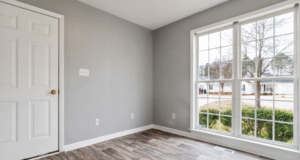

A home addition is one of the most transformative investments a homeowner can make. Whether expanding living space, adding a new room, or building a second level, the process demands precision, planning, and professional expertise. The outcome depends heavily on selecting the right specialists. Working with a trusted home addition contractor in Chicago ensures structural integrity, design consistency, and long-term value for your property.
Evaluating Experience and Credentials
Before hiring, assess the contractor’s experience in handling similar projects. A seasoned professional brings not only technical knowledge but also an understanding of local regulations, architectural challenges, and optimal design practices. Contractors with proven experience in structural additions can anticipate potential issues and implement solutions that maintain safety and aesthetics.
Licensing and insurance should never be overlooked. Verify that the contractor holds valid certifications and adequate liability and worker safety coverage. These credentials safeguard both parties and confirm compliance with state and municipal construction standards.
Reviewing Portfolio and References
A contractor’s past work is a clear reflection of their capabilities. Request to see a comprehensive portfolio showcasing completed home addition projects. Evaluate their craftsmanship, material selection, and consistency in style and execution.
Speaking with former clients can also provide valuable insight into the contractor’s professionalism, punctuality, and problem-solving ability. A well-established contractor will readily provide references that demonstrate reliability and client satisfaction.
Understanding Project Scope and Planning
Transparency during the initial consultation is essential. Contractors should clearly explain the project scope, estimated timeline, and cost structure. A detailed proposal outlining labor, materials, and milestones prevents miscommunication and enables proper financial planning.
Professional contractors also factor in site conditions, existing structural limitations, and municipal code compliance. This ensures that every addition integrates seamlessly with the home’s original architecture and foundation. A poorly coordinated addition can compromise the home’s balance and functionality.
Importance of Design Collaboration
A successful home addition requires collaboration between contractors, designers, and homeowners. Early coordination ensures that technical feasibility aligns with aesthetic goals. Integrating structural expertise with architectural design avoids costly modifications later in the process.
Before finalizing plans, it’s worth understanding how strategic planning enhances success. Understanding the guide to successful home addition helps with planning, budget allocation, and space optimization. Homeowners who grasp these fundamentals are better equipped to engage meaningfully in design discussions and decision-making.
Communication and On-Site Management
Efficient communication determines how smoothly a home addition progresses. Contractors should maintain consistent updates, share progress reports, and promptly address any issues that arise during construction. Establishing a clear communication protocol eliminates confusion and builds mutual trust.
Equally important is on-site management. Confirm who will supervise daily activities and ensure adherence to design specifications. Intense supervision enhances workflow coordination and quality control, resulting in superior craftsmanship and timely project completion.
Material Selection and Sustainability
Contractors play a crucial role in material recommendations. The right materials improve energy efficiency, durability, and design coherence. Professionals typically source high-quality materials that meet both aesthetic and environmental standards.
Sustainability is increasingly influencing remodeling decisions. Reputable contractors guide homeowners toward eco-conscious materials and systems that enhance insulation, reduce energy waste, and contribute to long-term savings. This not only benefits the environment but also boosts the property’s market appeal.
Conclusion
Choosing the right contractor is the cornerstone of a successful home addition. From verifying credentials to fostering transparent communication and design collaboration, each step shapes the project’s outcome. Partnering with skilled professionals ensures that the addition blends seamlessly with your home’s character while enhancing comfort, space, and value for years to come.