
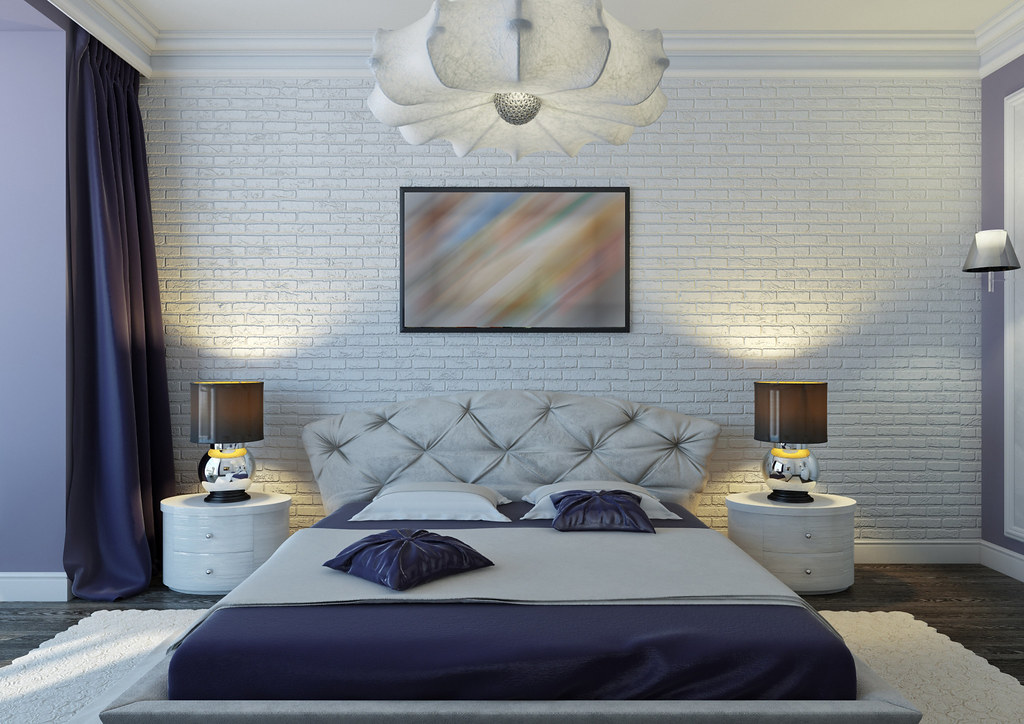
A small bedroom doesn’t need more space to feel luxurious. It needs clarity, restraint, and a sharper sense of intention than a larger room ever demands. When space is limited, every choice becomes more visible—proportion, light, materials, and even what you choose not to include.
Luxury, in this context, is not about adding layers indiscriminately. It is about editing with precision and allowing the right elements to carry weight. A well-designed small bedroom feels calm, composed, and quietly confident—not because it has more, but because nothing feels accidental.
Focus on Proportion, Not Quantity
The instinct in a small room is often to “fit everything in.” That instinct is exactly what prevents the space from feeling elevated.
Too many pieces—even if they are individually beautiful—compete for limited visual and physical space. The result is a room that feels busy rather than refined. Luxury, by contrast, relies on breathing room. Even in a compact bedroom, there should be a sense that each piece has been given just enough space to exist properly.
This comes down to proportion. A bed that is appropriately scaled to the room, bedside tables that don’t crowd circulation, and lighting that feels intentional rather than squeezed in—all of these choices contribute to a sense of ease. When the proportion is right, the room feels composed. When it isn’t, no amount of styling can fix the underlying discomfort.
Elevate the Bed—It Carries the Entire Room
In a small bedroom, the bed is not one element among many—it is the visual and functional centre of the space.
This is where attention should be concentrated. A well-dressed bed immediately sets the tone for the entire room. Upholstered or well-defined headboards create presence, while layered bedding introduces softness and depth. Even small decisions—like the alignment of pillows or the addition of a structured throw—can make the bed feel considered rather than casual.
The key is to avoid overcomplicating it. Too many cushions or overly decorative elements can tip the balance back into clutter. The goal is a bed that feels inviting, not staged—something that looks as good at the end of the day as it does in the morning.
Keep the Palette Tight, But Not Flat
Colour plays a significant role in how spacious and refined a room feels. In smaller bedrooms, a tight palette works best—but that doesn’t mean limiting yourself to a single flat tone.
The richness comes from variation within that palette. Soft neutrals layered with slightly deeper or warmer shades create dimension without overwhelming the space. A warm ivory against a cooler beige, or a muted taupe against a pale stone, can create quiet contrast that feels far more elevated than stark differences.
Texture becomes essential here. Linen, brushed cotton, wood, and subtle weaves all contribute to depth without adding visual noise. The room begins to feel layered, even when the colour story is restrained.
Let Windows Support the Space
Window treatments in small rooms need to be handled with care. Done poorly, they can make the room feel tighter or more cluttered. Done well, they can open up the space and make it feel far more intentional. Also worth reading: A Practical Digital Growth Plan for Small Businesses.
The goal is to avoid bulk and unnecessary layering. Treatments that are too heavy or poorly fitted can crowd the window and disrupt the visual flow of the room. Instead, a more tailored approach works best—something that sits cleanly within the space and allows the architecture of the window to remain clear.
A solution like custom roman shades does this particularly well. Because they fit precisely and stack neatly, they maintain a sense of order and proportion. They don’t spill into the room or compete with other elements, which is crucial in a smaller space where every line and edge is more noticeable.
Introduce Pattern Carefully, Not Everywhere
Pattern can elevate a room instantly—but in a small bedroom, it needs to be used with restraint.
Instead of scattering pattern across multiple elements, it’s far more effective to concentrate it in one place. This creates a focal point without overwhelming the space. Patterned curtains, for instance, can add personality and visual interest while still allowing the rest of the room to remain calm and cohesive.
The key is scale and subtlety. A pattern that is too large or too high-contrast can dominate the room, while a softer, more tonal design adds depth without distraction. When used thoughtfully, pattern brings character without compromising the sense of restfulness that a bedroom needs.
Control Light With Precision
Light is one of the most defining elements of how a bedroom feels, especially a small one.
Too much light—particularly early in the morning or from street exposure—can make the room feel exposed and disrupt sleep. Too little light during the day can make it feel closed in and dull. The balance lies in control.
This is where layered light management becomes important. Soft filtering during the day and more complete coverage at night create a rhythm that supports both function and comfort. Sheer roman shades can gently diffuse daylight, turning harsh sunlight into a soft glow that fills the room without overwhelming it.
At night, pairing this with a more opaque layer or blackout lining ensures the space feels enclosed and restful. The room doesn’t just look better—it behaves better across different times of day.
Build a Softer Lighting Scheme
Artificial lighting often makes or breaks the atmosphere of a bedroom.
A single overhead light, no matter how well chosen, rarely creates the kind of environment that feels luxurious. Instead, layering light at different levels adds depth and warmth.
Bedside lamps are essential, but even a small additional source—a wall light, a soft corner lamp—can change how the room feels in the evening. The aim is to create pools of light rather than a single, uniform brightness.
This layered approach softens the room and makes it feel more dimensional, which is particularly important in smaller spaces where flat lighting can make everything feel compressed.
Pay Attention to What’s Visible From the Bed
In a small bedroom, your line of sight matters more than you think.
When you lie down, what you see should feel calm and uncluttered. If your view is filled with storage, work surfaces, or visual chaos, your mind stays slightly active, even when your body is tired.
This doesn’t mean stripping the room bare. It means being intentional about placement—keeping the immediate view simple, reducing unnecessary objects, and ensuring that what remains feels cohesive.
This is one of the easiest ways to make a room feel more restful without changing anything major.
Refine the Details—They Matter More Here
In larger rooms, small imperfections can go unnoticed. In smaller ones, they stand out immediately.
A curtain that’s slightly too short, hardware that feels flimsy, or finishes that don’t quite align can subtly undermine the entire space. These are not dramatic flaws, but they affect how refined the room feels.
Luxury often comes down to these details being quietly correct. Clean lines, proper alignment, and well-fitted elements create a sense of effortlessness that is hard to replicate otherwise.
Keep the Room Personal, Not Perfect
A luxurious bedroom is not one that feels untouched. It’s one that feels easy to be in.
Overly styled spaces can feel rigid, as though they’re meant to be looked at rather than lived in. Introducing a sense of ease—a slightly relaxed bed, a book you’re actually reading, a chair that feels used—makes the room more inviting.
The balance lies in intention without stiffness. The room should feel considered, but never forced.
Conclusion
A small bedroom doesn’t become luxurious by trying to do more. It becomes luxurious by doing the right things well.
When proportion is balanced, light is controlled, textures are layered, and details are refined, the space begins to feel calm, complete, and quietly elevated. Nothing competes for attention, and nothing feels unresolved.
Sometimes, the transformation comes from removing what isn’t needed. Sometimes, it comes from introducing elements that work harder within limited space—solutions that are tailored, precise, and unobtrusive.
Because in the end, luxury in a small bedroom isn’t about size or excess.
It’s about how thoughtfully the room is put together—and how effortlessly it allows you to rest within it.
Apart from that, if you want to know more about Unique Features to Consider When Building a Custom Home then visit our Home improvement category.