Was Dumbledore bad? The strongest answer is no, but he was far from morally spotless. He protected people and fought dangerous enemies. He also manipulated others, withheld important truths, and accepted risks that affected children. That combination explains why the character creates so much debate among Harry Potter fans.
His goals were usually protective, yet his methods could be secretive and calculating. The books deliberately make him harder to judge once Harry learns about his past.
Direct answer: Albus was not presented as an evil character like Voldemort or Grindelwald. He repeatedly fought them and protected the wizarding world. Still, he made serious moral mistakes, manipulated people, withheld information from Harry, and once supported dangerous ideas about wizarding power.
Dumbledore at a Glance
| Question | Short answer |
|---|---|
| Was he evil? | No, the story does not portray him as an evil wizard. |
| Was he manipulative? | Yes, he often controlled information and influenced people indirectly. |
| Did he care about Harry? | Yes, although his strategic choices sometimes harmed Harry emotionally. |
| Did he make serious mistakes? | Yes, especially involving Grindelwald, Harry, and his own secrecy. |
| Did he seek political power later? | No. He deliberately avoided major political office. |
| Did he fight dark wizards? | Yes. He opposed Grindelwald and later organized resistance against Voldemort. |
| Is he a simple hero? | No. His flaws are central to his role in the story. |
Why Do Fans Think Dumbledore Was Bad?
Much of the criticism comes from how he treated Harry as part of a larger plan. He knew the boy faced dangers that Harry himself did not understand. He often revealed information only when he believed the timing was right. Readers curious about how public reputations take shape can also read this profile of Ronald Gladden.
That approach made the headmaster look less like a warm mentor and more like a strategist. Even official Wizarding World material describes some of his decisions as irresponsible. It notes that Harry repeatedly faced mortal danger while still under a teacher’s protection. The most damaging example comes when Snape learns about Harry’s apparent fate.
Snape reacts with disgust and accuses the headmaster of raising Harry for slaughter. Official Wizarding World commentary highlights that moment as one of Snape’s strongest objections to the plan.
His Relationship With Harry Was Both Caring and Manipulative
The headmaster clearly cared about Harry, but his affection didn’t stop him from using secrecy. He withheld the full prophecy for years. He later admitted that protecting Harry from painful knowledge had been a mistake. That secrecy became especially harmful during Order of the Phoenix. He avoided Harry because Voldemort could exploit their mental connection. Yet the emotional distance left Harry isolated during an already difficult year.
His reasoning was not entirely selfish or cruel. He believed distance could reduce Voldemort’s access to sensitive information. Still, the decision shows how often strategy took priority over emotional support. Official Wizarding World material also treats his withholding of the prophecy as morally questionable. The site notes that keeping such important information could reasonably be viewed as a form of deception.
Was Dumbledore Bad for Leaving Harry With the Dursleys?
Harry’s childhood with the Dursleys creates another major criticism. They neglected him, isolated him, and treated him far worse than Dudley. Readers naturally ask why such a powerful wizard let that continue. There was a magical reason for placing Harry there. Living with his mother’s blood relatives strengthened the protection connected to Lily’s sacrifice. Official Wizarding World material also says the arrangement protected him from Voldemort’s remaining followers.
That explanation makes the decision understandable, but it does not erase every concern. Magical safety and emotional welfare were separate problems. The story gives readers legitimate reasons to question whether more supervision was possible.
His Past With Grindelwald Is His Darkest Moral Failure
The strongest evidence against Albus comes from his youth. He grew intensely close to Gellert Grindelwald and entertained plans to control Muggles through wizarding power. Their discussions included the dangerous idea of acting for the “greater good.” Official Wizarding World material confirms that the young wizard shared ambitious ideas with Grindelwald. A later letter showed that he contemplated wizard superiority and control over non-magical people.
That history matters because it was more than an innocent friendship. He was attracted to power, recognition, and grand political change. Those ambitions collapsed after the confrontation that ended with Ariana’s death. He eventually rejected Grindelwald’s ideology and spent much of his life opposing dark power. He later defeated his former friend and deliberately avoided becoming Minister for Magic. His rejection of authority came partly from recognizing his own weakness around power.
He Knew He Could Be Dangerous With Power
One of his most important qualities is self-awareness. The older professor understood that intelligence did not automatically make his decisions moral. He also recognized how ambition had damaged his younger life. That awareness explains his reluctance to pursue political leadership. It did not prevent him from holding influence, but it changed how he viewed formal power. His restraint separates him from characters who continued seeking domination.
J.K. Rowling also described him as vulnerable to emotional mistakes despite his intelligence. In a 2005 interview, she agreed that he could be trusting to the point of recklessness. She explained that his intelligence also contributed to his isolation.
Did He Manipulate Snape?
His relationship with Snape was deeply strategic. He used Snape’s grief, guilt, loyalty, and love for Lily to secure a vital double agent. Snape then spent years protecting Harry while spying against Voldemort. That arrangement helped the resistance enormously. Yet it also demonstrates the professor’s willingness to use another person’s emotional pain. He could understand someone’s weakness and turn it toward a larger objective.
Calling that manipulation is reasonable. Calling it proof of evil is harder to defend. The strategy served a resistance fighting a murderous regime, although the moral cost remained significant.
His Biggest Problem Was Secrecy
Many of his worst decisions share one feature. He believed that he should decide who needed information and when they deserved it. That habit placed enormous responsibility on one person. Sometimes secrecy was necessary during a war. Spies, Horcruxes, prophecies, and hidden alliances could not always be discussed openly. Yet secrecy also prevented allies from understanding plans that directly affected their lives.
This pattern explains why readers can admire his intentions while distrusting his methods. He frequently acted like the only person capable of seeing the complete board. That confidence sometimes protected people, but it also created avoidable harm.
His Mistakes Were Part of the Point
The final book deliberately breaks Harry’s idealized image of his mentor. Harry learns about ambition, Grindelwald, Ariana, hidden plans, and uncomfortable compromises. That information forces him to reassess someone he once considered almost infallible. Official Wizarding World commentary describes Deathly Hallows as revealing a much less perfect version of the character. It emphasizes his arrogance as a young man and his later shame over those choices.
This shift does not simply turn a hero into a villain. Instead, it changes a distant wise figure into a flawed human being. His moral value depends heavily on what readers believe matters most: motives, methods, consequences, or personal change.
Bad Choices Do Not Automatically Make Him a Bad Person
The distinction between choices and character matters here. He made choices that were secretive, dangerous, arrogant, and sometimes unfair. He also spent decades resisting people who sought domination and mass violence. His later actions suggest that he learned something important from his youth. He rejected Grindelwald’s ideology and feared his own attraction to authority. He devoted much of his influence to resisting darker uses of power.
That does not excuse every decision involving Harry or Snape. A good goal cannot automatically make harmful methods ethical. The character remains compelling because both truths can exist together.
So, Was Dumbledore a Hero or a Villain?
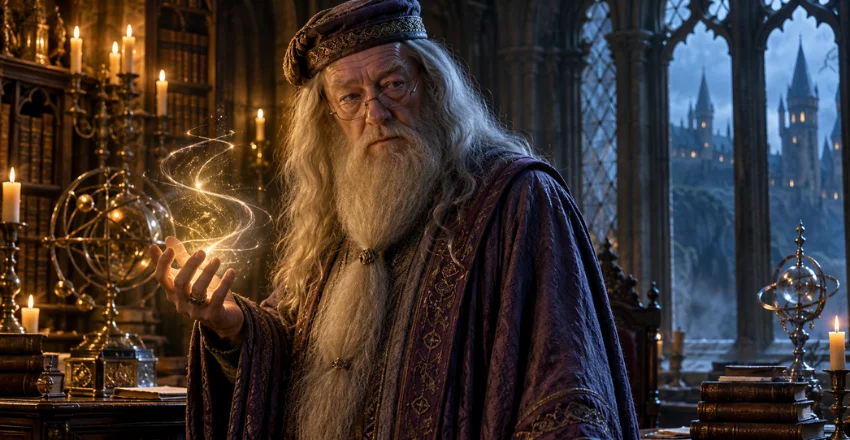
He fits neither category perfectly. Voldemort seeks domination, immortality, and personal power with little concern for others. The Hogwarts headmaster repeatedly chooses resistance, protection, and eventual self-sacrifice instead. Yet describing him as an uncomplicated hero misses major parts of the story. He could be controlling, emotionally distant, and convinced that secrecy served everyone best. Those traits produced consequences for people who trusted him.
A more useful description is a flawed protector with strategic and manipulative tendencies. His goals usually opposed evil, but his methods sometimes crossed uncomfortable moral lines. That tension is one reason readers still debate him years later.
What Makes His Morality Different From Voldemort’s?
The biggest difference involves purpose and capacity for change. Voldemort consistently seeks power for himself and treats people as disposable tools. The older professor recognizes that his own hunger for power was dangerous. Their attitudes toward love also set them apart. Voldemort sees attachment as weakness and struggles to understand sacrificial love. His opponent repeatedly treats love as essential to understanding Harry’s strength.
Most importantly, one character confronts his earlier failures. The other repeatedly refuses responsibility for his actions. That distinction makes their strategic similarities less important than their differences in values.
The Bottom Line
The evidence supports a morally complicated reading rather than a simple condemnation. He made serious mistakes and manipulated people while pursuing goals he believed protected others. His secrecy often created harm even when his intentions were defensible. The character also shows meaningful change across his lifetime. He rejected youthful ideas about domination and fought the people who embraced them.
That growth doesn’t erase his failures, but it changes how we should interpret them. For more character profiles, pop-culture explainers, and entertainment features, readers can continue through Webivest’s entertainment coverage.
Frequently Asked Questions
Was Dumbledore bad or secretly evil?
No clear canon evidence presents him as secretly evil. He opposed Voldemort, defeated Grindelwald, and repeatedly protected others. His flaws involve manipulation, secrecy, arrogance, and questionable strategic decisions rather than hidden allegiance to evil.
Did he know Harry had to die?
He eventually concluded that Harry carried part of Voldemort’s soul. He therefore understood that Harry would need to face Voldemort under extremely dangerous circumstances. Snape’s reaction shows how disturbing that plan appeared when explained without the full context.
Did he care about Harry?
His actions and later conversations strongly indicate genuine affection. That affection also complicated his planning and caused him to delay painful revelations. Caring about Harry didn’t stop him from making decisions that hurt him.
Why did he trust Snape so much?
Snape’s loyalty stemmed from his love for Lily and his remorse after her death. The headmaster understood that motivation better than most characters did. He therefore relied on Snape for dangerous work requiring extraordinary secrecy.
Was the young professor similar to Grindelwald?
For a period, yes. He shared ambitious ideas about wizarding power and the “greater good.” He later rejected those beliefs and eventually defeated Grindelwald.
Why didn’t he become Minister for Magic?
He understood that formal power was one of his greatest temptations. His earlier experience with Grindelwald made that weakness difficult to ignore. Avoiding the position became part of his effort to limit his own capacity for misuse.