Introduction
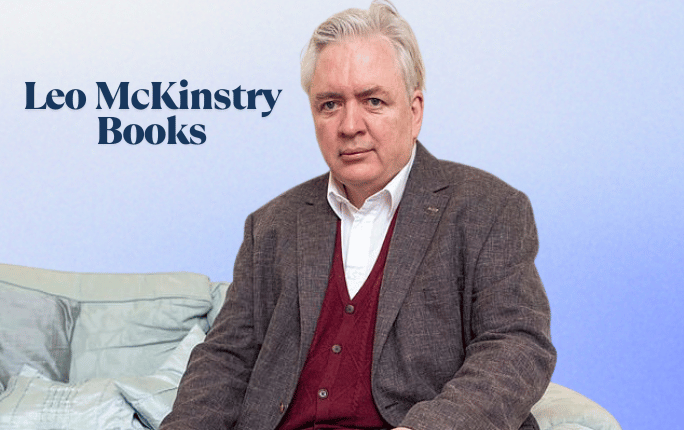
Leo McKinstry was born in Belfast, Northern Ireland, in 1962. His prolific writing and vocal conservatism have made him a defining figure in British commentary. With a career spanning journalism, politics, and biography, McKinstry is best known for his acclaimed works on aviation, cricket, and political leadership, each contributing to a robust catalog of Leo McKinstry books.
His sharp editorials in the Daily Express, his unfiltered Twitter presence, and unwavering stance on topics such as immigration and Brexit have kept him at the center of public discourse. Despite battling a chronic illness in recent years, McKinstry has continued to write from his home in Lancaster, blending personal reflection with national pride.
This article examines the full spectrum of McKinstry’s contributions, ranging from his literary achievements and commentary to his personal resilience and evolving influence in Britain’s cultural landscape.
Table: Key Features and Highlights of Leo McKinstry’s Life, Work, and Books
| Category | Details |
| Full Name | Leo McKinstry |
| Year of Birth | 1962 |
| Place of Birth | Belfast, Northern Ireland |
| Profession(s) | Author, Journalist, Political Commentator, Columnist |
| Primary Writing Themes | British military history, aviation, politics, monarchy, cricket, patriotism |
| Popular Publications | Daily Express, The Spectator, The Telegraph |
| Leo McKinstry Books | Spitfire, Lancaster, Rosebery, Jack Hobbs, Attlee, and Churchill, Bill Edrich |
| Keyword Focus | Leo McKinstry books |
| Book Genre Focus | Political biographies, military history, and sports biographies |
| Most Recent Book | Bill Edrich: Cricket and Conflict (2023) |
| Publishing Houses | John Murray, HarperCollins, Atlantic Books |
| Column Highlights | Brexit, awakened culture, immigration, monarchy, and accountability in the public sector |
| Express Column Tone | Right-leaning, traditionalist, nationalistic |
| Common Twitter Topics | Nationalism, anti-woke discourse, monarchy defense, and criticism of immigration laws |
| Digital Presence | Twitter — used for political commentary and audience engagement |
| Residence | Lancaster, England |
| Life in Lancaster | Writing retreat, peace and solitude, historical inspiration |
| Health Status | Battled chronic illness; reduced public appearances to focus on writing |
| Impact of Illness | Shift toward introspection and literary focus |
| Public Speaking | Occasional lectures and festival appearances |
| Criticism | Viewed by some as overly nostalgic or politically polarizing |
| Audience Base | History enthusiasts, conservatives, military, and cricket fans, British cultural loyalists |
| Legacy Themes | British fortitude, sense of pride in their country, and traditional values |
Early Life of Leo McKinstry
Leo McKinstry was born in Belfast, Northern Ireland, in 1962. He spent his formative years immersed in the cultural and political complexities of the region, which would later inform his sharp political analysis and patriotic leanings. McKinstry moved to England for higher education, studying history at Sidney Sussex College, Cambridge.
During his time at Cambridge, he became active in student politics and even briefly aligned with left-wing causes, a stark contrast to the staunch conservatism he would later adopt. This ideological transformation reflects a deep personal journey, shaped by critical thinking, national events, and personal experience. His early exposure to both progressive and traditionalist thought laid the groundwork for his nuanced yet firm voice in British journalism and historical writing.
A Prolific Author: Inside Leo McKinstry Books
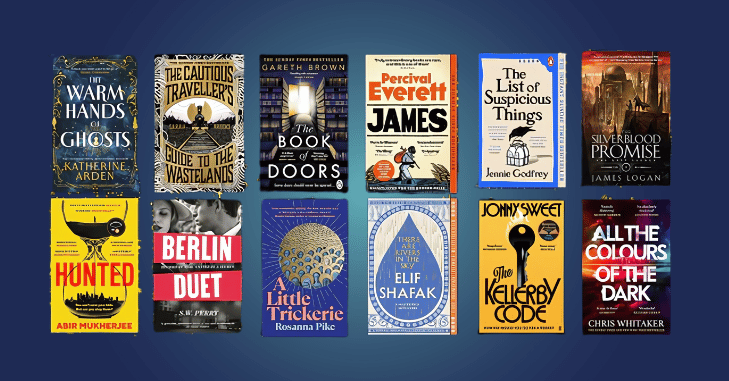
Leo McKinstry’s books reflect a wide-ranging curiosity and deep national pride. As an author, he has written biographies, political treatises, and historical narratives. His works have shed light on British aviation, political leadership, and the lives of sporting legends.
Notable Leo McKinstry Books
| Title | Subject Area | Published | Description |
| Spitfire: Portrait of a Legend | Military History | 2007 | Celebrates the iconic World War II aircraft and its role in British identity. |
| Lancaster: The Second World War’s Greatest Bomber | Military History | 2009 | An homage to the WWII Lancaster bomber and its pilots. |
| Rosebery: Statesman in Turmoil | Political Biography | 2005 | Biography of Lord Rosebery, Victorian Prime Minister. |
| Attlee and Churchill | Political History | 2019 | Examines the unlikely partnership between two contrasting wartime leaders. |
| Jack Hobbs: England’s Greatest Cricketer | Sports Biography | 2011 | Chronicles the life of cricketing legend Jack Hobbs. |
| Bill Edrich: Cricket and Conflict | Sports Biography | 2023 | examines Bill Edrich’s dual life as a pilot during the war and a sportsman. |
McKinstry’s historical focus often carries a personal tone, especially in books like Bill Edrich: Cricket and Conflict, which reveals the emotional tension between wartime duty and sportsmanship. His commitment to highlighting British exceptionalism through aircraft, cricket, or character is a hallmark of his writing.
Illness and Personal Resilience
In recent years, Leo McKinstry has openly discussed his battle with illness, which has shaped his perspective and deepened his empathy. While not one to dwell on vulnerability, McKinstry has acknowledged the toll of chronic health issues on his productivity and worldview.
In interviews and articles, he has mentioned how illness led him to reassess his priorities. He stepped back from specific public engagements to focus on writing, recovery, and mental clarity. This period of reflection enriched his later work with a more introspective tone. Despite health setbacks, McKinstry continues to contribute powerful commentary, reinforcing his resilience and commitment to public discourse.
Twitter Opinions: Conservative Views in the Digital Age

McKinstry’s presence on Twitter is as combative and sharp-edged as his print work. A vocal critic of “woke culture,” mass immigration, and the European Union, he uses the platform to reinforce views expressed in his columns and books.
His tweets often draw on current events, including developments within the royal family, law and order issues, and national celebrations such as Remembrance Day. Online, McKinstry has both supporters and critics, and he isn’t hesitant to provide resounding arguments against those viewpoints.
For example, McKinstry has used Twitter to:
- Criticize the handling of illegal immigration and border security.
- Celebrate anniversaries of British military victories.
- Defend the monarchy against republican criticism.
- Criticize what he sees as the revision of British history by the left.
Though polarizing, his Twitter presence keeps him relevant in ongoing national conversations, especially among those who feel alienated by progressive narratives.
Life in Lancaster: Solitude and Inspiration
Leo McKinstry resides in Lancaster, a city renowned for its rich heritage and character. The serene environment offers a contrast to the bustle of Westminster politics, allowing McKinstry the tranquility needed for deep writing.
Lancaster’s historical roots, from its medieval castle to its World War connections, mirror themes in McKinstry’s works. He often references local inspiration in his historical narratives, particularly when discussing Britain’s rural strength and the resilience of its towns during times of upheaval.
While maintaining a quiet life, McKinstry occasionally participates in local lectures and literary festivals. His Lancaster home doubles as a writing retreat, filled with research material, manuscripts, and family memorabilia that informs much of his historical writing.
Express Column Highlights

Leo McKinstry has written for a variety of publications, but his association with the Daily Express stands out. His regular opinion pieces tackle hot-button issues with a no-nonsense, right-leaning perspective.
Common Themes in McKinstry’s Express Columns
Immigration and Border Control
- Advocates for stricter policies.
- Critiques government leniency.
British Patriotism
- Celebrates national holidays.
- Defends traditions like the monarchy, St. George’s Day, and the English language.
Brexit and the EU
- A strong Brexiteer, McKinstry warned against EU overreach.
- Often contrasts British independence with European bureaucracy.
Social Conservatism
- Condemns cancel culture and identity politics.
- Favors traditional values, law and order, and family structure.
Public Sector Accountability
- Calls out NHS inefficiencies and council mismanagement.
- Critiques tax waste and public sector bloat.
Notable Express Headlines by Leo McKinstry
- “Our Border Controls Are a National Scandal”
- “The Monarchy Embodies Everything Great About Britain”
- “Brexit Is Not the Problem – The Elite’s Betrayal Is”
- “Woke Culture Is Killing Free Speech in Britain”
These columns often trend among readers and fuel heated debates across platforms. While his tone is usually uncompromising, McKinstry’s arguments are typically underpinned by historical context, data, or a powerful personal anecdote.
The Influence of “Bill Edrich: Cricket and Conflict”
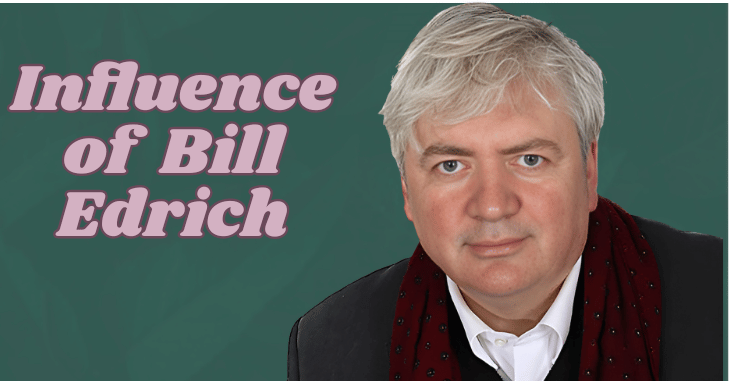
Bill Edrich: Cricket and Conflict, McKinstry’s latest biographical work, examines the dual nature of Edrich’s life as both a World War II pilot and a cricket icon. The book balances sport and war in a way that humanizes its subject and reinforces McKinstry’s recurring theme of British fortitude.
This work showcases McKinstry’s ability to blend meticulous research with narrative flair. Through letters, archival records, and family interviews, he pieces together a portrait of a man who embodied the best of British character, grace under pressure, loyalty, and an unwavering sense of duty.
Contracts and Publishing Journey
McKinstry’s publishing success is not by accident. Over the years, he has secured multiple book contracts with major British publishers, including John Murray, Atlantic Books, and HarperCollins. His works are often accompanied by extensive footnotes, bibliographies, and references, which bolster their appeal among history buffs and academic readers alike.
His contractual relationships reflect a deep trust in his ability to deliver fact-based, gripping narratives. Publishers value McKinstry’s consistency, historical accuracy, and the vast readership his name commands.
Critical Reception and Public Perception
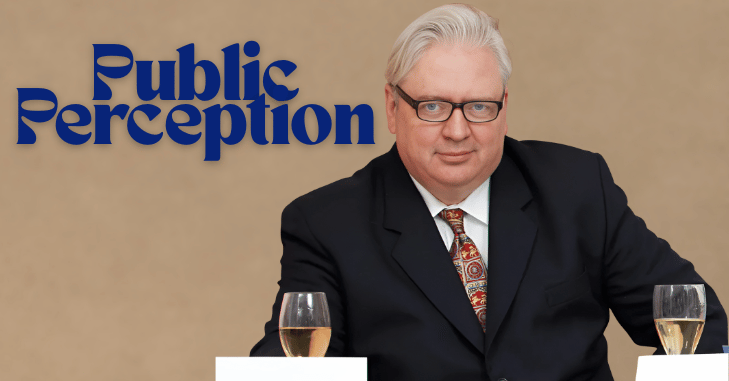
Leo McKinstry’s books generally receive praise for their clarity, depth of research, and strong narrative voice. Historians often commend his ability to make complex events accessible to general readers. However, critics from more progressive circles accuse him of glorifying the past and neglecting systemic injustices.
Despite this divide, McKinstry remains a best-selling author and sought-after commentator. His readership spans across generations, particularly among those who value national pride, military history, and traditional British values.
Conclusion: The Enduring Influence of Leo McKinstry Books and Commentary
Leo McKinstry’s legacy is one defined by intellectual rigor, patriotism, and a commitment to telling Britain’s stories, be they of wartime resilience, sporting legends, or political giants. From his early days in Belfast to his current residence in Lancaster, McKinstry has carved out a reputation as one of the UK’s most prolific conservative voices.
His works, including Spitfire: Portrait of a Legend, Lancaster, Attlee and Churchill, and Bill Edrich: Cricket and Conflict, showcase the depth and breadth of Leo McKinstry Books, which continues to captivate readers with its historical accuracy and national pride. Beyond authorship, McKinstry has battled illness with resilience, remained an active and provocative figure on Twitter, and consistently shaped public discourse through his hard-hitting columns in The Daily Express.
Whether critiquing immigration policy, defending British traditions, or denouncing “woke culture,” McKinstry’s commentary echoes with conviction. His life in Lancaster offers a quiet retreat yet fuels his writing with perspective and clarity. With an eye for narrative and a heart for heritage, Leo McKinstry remains a formidable force in British literature and media, one whose books and ideas will resonate for generations to come.
Want to know about “But beyond fiery speeches and legislative achievements” Check out our “Entertainment” category.
FAQs
Throughout his life, children’s book author and illustrator Leo Lionni produced more than 40 children’s books. He created drawings using collage art that continue to appeal to both young and old readers.
Leo had his room and was the lone child. He kept insects, fish, snails, mice, snakes, and other natural objects on a table inside. He modeled clay, painted, and drew on another table.
Emily Henry’s charming romantic comedy “Funny Story” follows Daphne as she deals with the fallout from her broken engagement.
Techniques. Leo Lionni created several of his illustrations using paint, pencil, and crosshatching. Think back to the method we learned called crayon resist. In your pictures, you may be inspired by Leo Lionni’s work and combine crosshatching, rubbings, and crayon resist techniques.
For more insights into Leo McKinstry’s digital presence, check out his AI-powered learning platform: Study Anywhere Anytime.
His sharp editorials in the Daily Express and unfiltered Twitter presence have kept him at the center of public discourse.
His sharp editorials in the Daily Express and unfiltered Twitter presence have kept him at the center of public discourse.