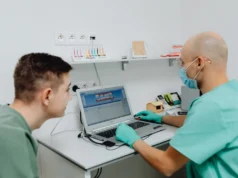

Healthcare providers today face increasing pressure to balance patient care with administrative responsibilities. Tasks such as appointment scheduling, insurance verification, patient follow-ups, and documentation often consume time that could otherwise be dedicated to direct patient care. A healthcare contact center has emerged as a strategic solution to alleviate these operational pressures while enhancing patient satisfaction. By centralizing communication and administrative workflows, contact centers help streamline processes and support healthcare teams in delivering improved outcomes. These centers function as an extension of medical practices, allowing providers to focus on clinical expertise rather than administrative overload.
How Contact Centers Improve Operational Efficiency
Administrative overload can negatively affect both patient care and provider well-being. When healthcare professionals are required to handle time-consuming administrative tasks, it can limit their ability to deliver timely, attentive care. Contact centers help resolve this by handling routine patient communications, inquiries, and follow-up tasks through dedicated support teams trained specifically in healthcare operations. With proper coordination, contact centers create a more organized workflow by managing calls, routing patient requests, and reducing wait times. This results in increased productivity and smoother clinic operations.
Enhancing Patient Communication and Satisfaction
Patient satisfaction is closely tied to accessibility and responsiveness. Long hold times and difficulty reaching the correct department can lead to frustration and decreased trust in the healthcare system. Contact centers provide centralized communication channels, enabling patients to receive information and connect with the appropriate support quickly.
This also ensures consistent communication, especially when handled using strategies designed to enhance patient engagement. Understanding how contact centers improve patient experience highlights the decisive role of clear communication in building trust and lasting loyalty.
Streamlining Appointment Management
A significant portion of the administrative burden comes from appointment-related tasks. Contact centers efficiently manage scheduling, rescheduling, and cancellations, ensuring optimal time-slot utilization and reducing no-show rates. Automated reminders and proactive follow-ups help patients stay informed while reducing the risk of missed appointments.
This system also allows healthcare providers to fill last-minute openings, improving appointment flow and revenue stability.
Supporting Clinical Staff with Documentation and Coordination
Clinical teams often spend time on patient coordination and post-visit documentation. Contact centers reduce this responsibility by assisting with patient intake, pre-visit screenings, and care coordination. This reduces paperwork for providers and helps ensure that documentation is complete and accurate before appointments begin. Additionally, when patients require referrals or follow-up communication, contact center teams manage these interactions efficiently, keeping providers informed without requiring their direct involvement.
Reducing Administrative Burnout
Administrative burnout is a growing concern within the healthcare industry, particularly in high-volume practices. Providers frequently report that administrative duties contribute to stress and reduced job satisfaction. By outsourcing tasks to dedicated contact center professionals, providers experience reduced stress and can devote more time to patient care and personal well-being. This leads to a healthier work environment and supports long-term retention of skilled healthcare professionals.
Optimizing Resource Allocation
Contact centers offer a cost-effective way to handle administrative workloads without requiring additional in-house staff. They incorporate modern technologies such as call routing, patient management systems, and secure communication tools. These streamline operations and ensure that tasks are handled efficiently without disrupting clinical workflows. Centralized management also enables facilities to track patient interactions better, monitor service quality, and optimize staffing levels based on demand.
Improving Care Coordination and Follow-Up
Adequate follow-up is critical to patient outcomes, especially for those managing chronic conditions or post-treatment care. Contact centers ensure patients receive timely reminders, test results, and care instructions. This coordinated approach enhances continuity of care and helps prevent treatment gaps. Patients experience greater confidence in their care plan, while providers benefit from reduced administrative work for follow-ups.
The Impact on Overall Healthcare Delivery
As administrative tasks continue to grow in complexity, contact centers play an essential role in supporting the infrastructure of modern healthcare systems. They reduce inefficiencies, improve patient communication, and ease pressure on providers who would otherwise be overwhelmed by non-clinical duties.
By improving workflow and patient engagement simultaneously, these centers contribute to higher-quality care and better patient outcomes.
Conclusion
Healthcare contact centers offer significant advantages by reducing administrative burdens, enhancing communication, and supporting clinical teams. By centralizing patient interactions and streamlining routine processes, they allow providers to focus on delivering high-quality care, ultimately improving both patient satisfaction and operational performance.