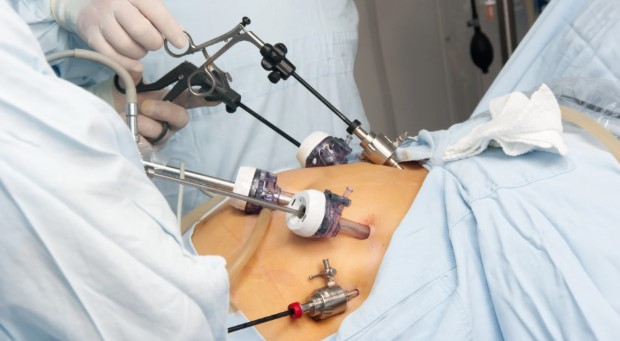
For individuals struggling with obesity-related health conditions, particularly type 2 diabetes and hypertension, surgical intervention can be life-changing. Many patients considering gastric sleeve surgery in Baltimore are not just focused on losing weight; they are pursuing a medically driven solution to regain control over their health. This procedure, known for its effectiveness in reducing body mass, has shown profound benefits in improving blood sugar regulation and lowering blood pressure. The positive outcomes are not just cosmetic; they are metabolic, cardiovascular, and often long-lasting.
How Gastric Sleeve Surgery Impacts Type 2 Diabetes
Gastric sleeve surgery, or sleeve gastrectomy, restricts the stomach’s size, leading to reduced food intake and hormonal shifts that impact glucose regulation. One of the most compelling clinical outcomes observed is improved insulin sensitivity and glycemic control shortly after surgery, even before significant weight loss has occurred.
Normalizing Blood Sugar Without Medication
For many patients, the post-operative period brings a rapid decrease in blood glucose levels. In some cases, individuals see a significant reduction or complete elimination of diabetes medications within months. This is due in part to changes in gut hormones such as GLP-1, which improve insulin secretion and reduce insulin resistance.
What makes this intervention so powerful is its ability to alter the body’s metabolic response, providing a durable solution to a condition that typically requires lifelong pharmaceutical management.
Reducing Blood Pressure Through Weight and Hormonal Regulation
Hypertension is another comorbidity closely linked to obesity. The excess fat surrounding vital organs and within arterial walls contributes to elevated blood pressure, increasing the risk of stroke and cardiovascular events. By removing a large portion of the stomach, gastric sleeve surgery indirectly reduces this burden.
The surgery triggers a cascade of physiological improvements: reduced abdominal pressure, improved kidney function, and enhanced vascular health. These changes translate to a consistent drop in systolic and diastolic pressure, often eliminating the need for long-term antihypertensive therapy.
Breaking the Cycle of Medication Dependency
Both diabetes and hypertension often require multiple medications to manage symptoms. However, after gastric sleeve surgery, many patients reduce or discontinue their dependence on these prescriptions altogether. This transition not only improves quality of life but also decreases long-term healthcare costs and risks associated with chronic medication use.
Understanding the broader cost implications of gastric sleeve surgery highlights just how impactful this single intervention can be, not only in clinical outcomes but also in financial efficiency for patients managing multiple chronic diseases.
Reinforcing Long-Term Health with Structured Follow-Up
While gastric sleeve surgery offers immediate benefits for diabetes and hypertension, sustained improvement requires long-term medical oversight. Professional follow-up ensures continued weight management, nutritional balance, and consistent monitoring of vital markers.
Patients who remain under structured care programs are more likely to maintain remission from these conditions and avoid relapse. Ongoing collaboration with healthcare professionals also helps adapt post-surgical strategies based on evolving needs.
Conclusion
Gastric sleeve surgery is more than a weight loss solution; it is a metabolic reset with proven benefits for patients struggling with diabetes and hypertension. The hormonal, physical, and vascular shifts initiated by the procedure significantly improve these conditions, often reducing or eliminating the need for ongoing medication.
By addressing the root causes rather than masking symptoms, this surgical approach empowers patients to regain control over their health, enhance their longevity, and break free from the constraints of chronic disease management. When combined with professional oversight, the benefits extend far beyond the operating room, into every aspect of daily life.