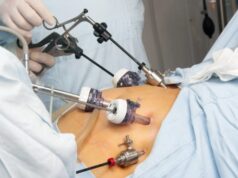
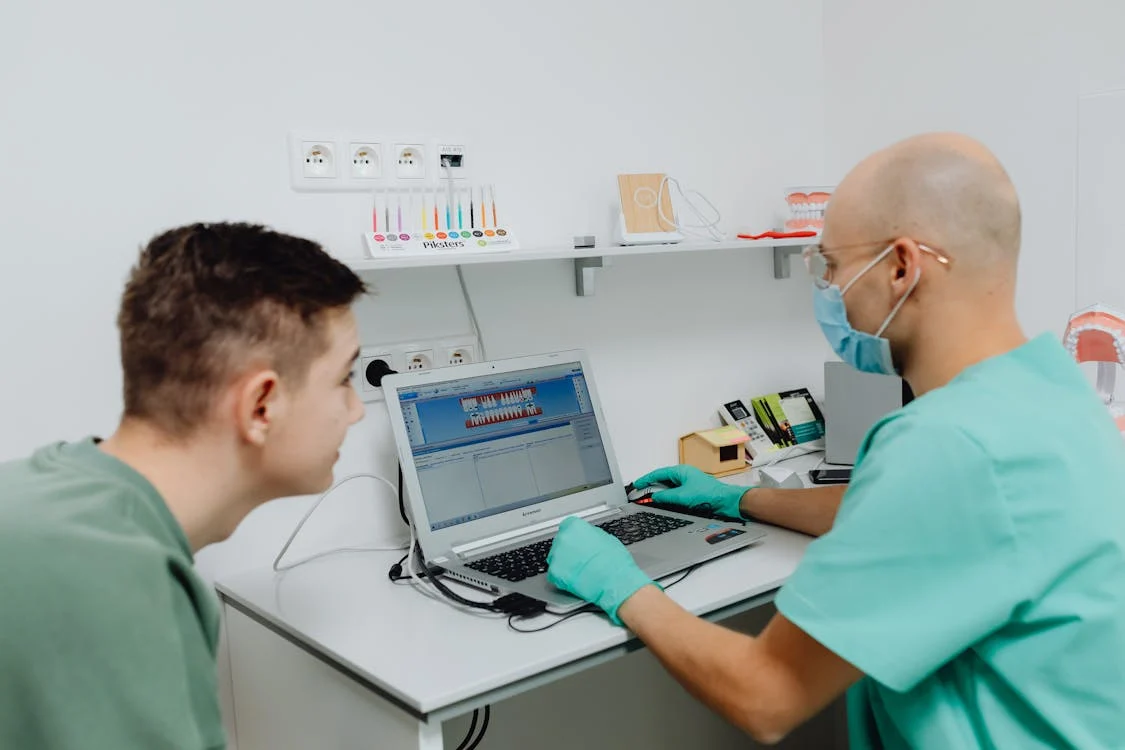
The healthcare sector in the UK features tough requirements for data protection, personal data privacy and compliance with regulatory standards. For a software development company, creating compliant software for the healthcare sector in accordance with the national Health Service (NHS) necessitates thorough knowledge in the regulatory scenarios, ethical aspects and technical standards. In this article, we will dive deep into a few best practices for building software applications that fulfill the data regulations in the UK and NHS.
Significance of Developing Compliant Software in the UK Healthcare Software
The NHS, being the cornerstone of the UK healthcare system, manages patient information in large amounts every day. The data collected adheres to stringent rules to meet the needs of privacy of patient information and their security. If there is any instance of non-compliance with these rules and regulations, it will lead to penalties, damage to reputation and in worse cases, it can result in legal action. Some of the most important rules that guide the UK healthcare software consists of:
Data Protection Act, 2018
The regulation gives some extra provisions for processing sensitive information which includes health data. Further it supports GDPR data protection and security law.
General Data Protection Regulation (GDPR)
The GDPR is applicable to every EU state and UK and gives strict rules for collecting, processing and storing personal data. It necessitates companies to ensure solid data protection and get consent from people explicitly.
NHS Standards
The NHS has also given its own digital rules and regulations. It includes the NHS Data Security and Protection Toolkit (DSPT) and Technology Code of Practice (TCoP) that provides the essential requirements for software used by the NHS.
Clinical Safety Standards
Healthcare software should adhere to clinical safety standards that provide a complete guarantee that their systems are completely safe and suitable for patient use.
Cyber Essentials Certification
This certification is backed by the UK Government to facilitate businesses to safeguard against possible cyber threats. It is considered essential for organizations engaged in software development services in the UK associated with the NHS.
Considering the complexity of the legislative and regulatory environment, developing compliant software for the healthcare businesses in the UK is a legal requirement. However, it also helps improve trust within healthcare providers as well as the NHS.
What are the fundamental steps in creating compliant software for UK healthcare providers?
Knowing the Regulatory Needs
The first and foremost step in building compliant software is understanding the regulatory needs that are applicable for health care providers in the UK. Indeed, it includes all the regulatory standards that we have mentioned above starting from the GDPR and Data Protection Act 2018, NHS Digital Standards, Clinical Safety Standards, Cyber Essentials Certification.
Interoperability with NHS systems
One of the essential requirements for healthcare software within the NHS is interoperability. It ensures that the software can integrate with the NHS systems, for example, Electronic Health Records (EHRs) and NHS Spine. In order to facilitate this healthcare software providers should adopt NHS standards, NHS approved standards. Also, they should create APIs that help with endless integration with existing NHS systems and other third-party applications. Also, robust testing should be performed to verify if the software application functions perfectly with other platforms and systems.
Adopt Robust Security Measures
Data security is a key aspect in healthcare regulations compliance. Software developers should rely on solid security measures to safeguard patient information. They need to use strong encryption protocols, role-based access controls to prevent unauthorized access to sensitive information, maintain audit trails to monitor access and modification to data, perform penetration testing and frequent vulnerability assessments to verify and provide solutions for security issues.
Consider User-centric Principles
Custom healthcare software development services companies in the UK should design applications keeping in mind the end-users need, for example, physicians, nurses, other allied healthcare professionals, healthcare executives and patients. In fact, user-centric design helps build software that fulfils the needs of end users. Some of the key aspects involved in user-centered applications include compliance with accessibility, usability testing, training and support which helps both physicians, administrators and patients.
Perform Clinical Risk Management
Healthcare software development should focus on clinical safety, which in other words is crucial. For this purpose, software developers should identify risks, take steps to reduce it and document the process. They need to perform risk assessments and provide user notifications to reduce the instances of risks. It should become complete with the detailed documentation that provides the risk management activities and other clinical safety processes.
Get Essential Certifications
To ensure compliance with the UK data protection regulations and NHS, the software should get certified and approved. For this, health care providers should complete the NHS Data Security and Protection Toolkit (DSPT). Also, they have to get Cyber Essentials certification. It ensures that the software created fulfills the fundamental security needs. In case the application is classified under a medical device, it would need the CE mark as per the Medica Devices Regulation.
Collaboration with Stakeholders
Building compliant software requires collaboration with stakeholders such as physicians, patients, NHS representatives and so on. Also, collect feedback from end users to improve the application and build trust with stakeholders upholds commitment to security, compliance and ultimately patient safety.
Final Remarks
Developing compliant software for UK healthcare is a complex task that requires careful planning. Developers should have a clear understanding of the regulatory scenarios alongside the security measures. Further, they must work on a user-centric design, focusing on interoperability to meet the compliance requirements laid down by UK data protection regulations and the NHS. Also, relying on the best practices and collaborating with the stakeholders helps beat the challenges while building software that fulfills compliance as well as the best patient care along with functional efficiency for the healthcare sector in the UK.
Apart from this, if your interested to know more about The Transformative Power of a Tummy Tuck in Dubai then visit our HEALTH category.